
Camera traps
Automatic cameras have been placed in the territory of threatened animals to observe their behaviour, their activity patterns and, where possible, their reproduction.

Science
In Maikiuants, community members train as para-ecologists. They combine Shuar knowledge of the forest with scientific methods to document biodiversity and protect their territory.
A para-ecologist is a community member trained in ecological monitoring methods. They have known the forest and its particularities since childhood, and learn to record their observations systematically, so they can be compared over the years and shared with researchers.
This way, knowledge stays in the community, and the data help to make decisions about the territory: where to build new homes, which areas to protect, and how the river and the forest are changing with climate change. The aim is to defend the territory, not just the forest.
We are people who come to the aid of all the biodiversity in our territory – to know it, value it and respect it – and we raise environmental awareness so that future generations keep caring for it. Being a para-ecologist means coming to the aid of every species that is in danger of extinction.

In addition to the existing weather station and wildlife cameras, a new scientific station will soon be built so that we can collect and analyse data even more systematically.
Automatic cameras have been placed in the territory of threatened animals to observe their behaviour, their activity patterns and, where possible, their reproduction.
On every walk we check everything at once: bird calls, amphibians, mammals and other forest indicators, seed trees, flowering and fruiting – linked to the plant nursery and agroforestry.
We regularly measure rivers and streams: pH value, temperature, turbidity and aquatic macroinvertebrates, which react very quickly to any pollution.
Our weather station records temperature, humidity, rainfall and wind, so we can document how the climate in the territory is changing.
We document Shuar life and knowledge: we take photos, record the Shuar Chicham language and note down names, uses and stories about plants and animals.
Coming soon: a dedicated station to store, process and analyse monitoring data right here in Maikiuants.


Video
A project by the Maikiuants para-ecologists together with the Universidad del Azuay: using GPS, drones and geographic information systems, we document how land is used and the state of the vegetation in our territory. (English subtitles)
The forest and rivers of Maikiuants are home to countless animals. Some are threatened, some are new to science, and many live hidden under water.
Maikiuants is an area of great importance for biodiversity. The harmonious relationship between the Shuar community and nature allows mammals that are threatened worldwide to live in its territory. Among others, the 2024 camera traps recorded:

Panthera onca


Tremarctos ornatus


Puma concolor
Camera-trap photos will be published soon.

Speothos venaticus


Also recorded: margay, tayra, ocelot, Amazon squirrel and spectral bat, among others.


Atelopus sp.
All species of the genus Atelopus are threatened. The Atelopus sp. frog is endangered, mainly due to the loss of its natural habitat. Maikiuants is one of the few places in the world where it can still be seen.
Its survival depends on a balanced ecosystem with healthy forests and clean water. It is so sensitive to changes in its environment and so hard to find that it is still in the process of being scientifically described.


Rhinella maikiuants (proposed name)
On 19 June 2024, during monitoring, the para-ecologists found a frog of the true toad family (Bufonidae) with very unusual features. Everything suggests it is a species new to science that exists only in the territory of Maikiuants. That is why we propose the scientific name Rhinella maikiuants.
Around ten para-ecologists from Maikiuants are involved in the research, supported by the Universidad del Azuay (UDA) and in collaboration with Ecoforensic, a company from Great Britain that also checks the results. The find is now being discussed by the scientific community; we hope it will soon be officially confirmed as a new species.
The water of the Yunkumas and Akaas rivers is in excellent condition because the forest is intact – we measure a pH of 7.8. The rivers are home to small aquatic animals (insect larvae, snails, crabs and shrimps) that hardly anyone ever sees. The para-ecologists collect, identify and photograph them.
Because they react quickly to pollution, they help us understand water quality and detect any change straight away – for example in nearby rivers affected by mining.

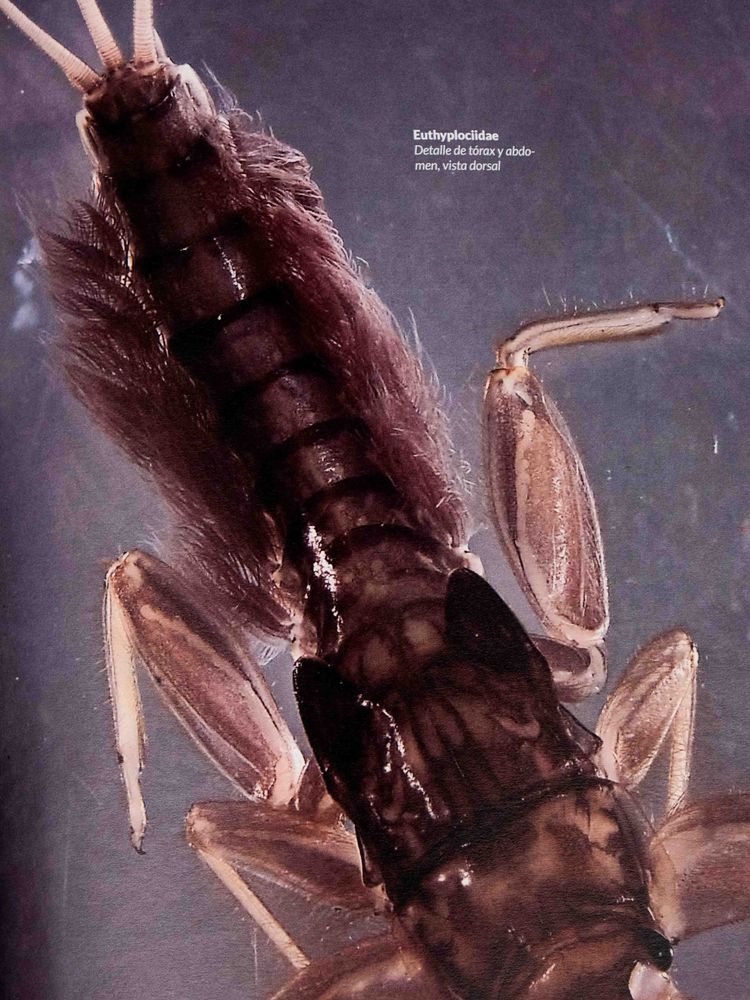
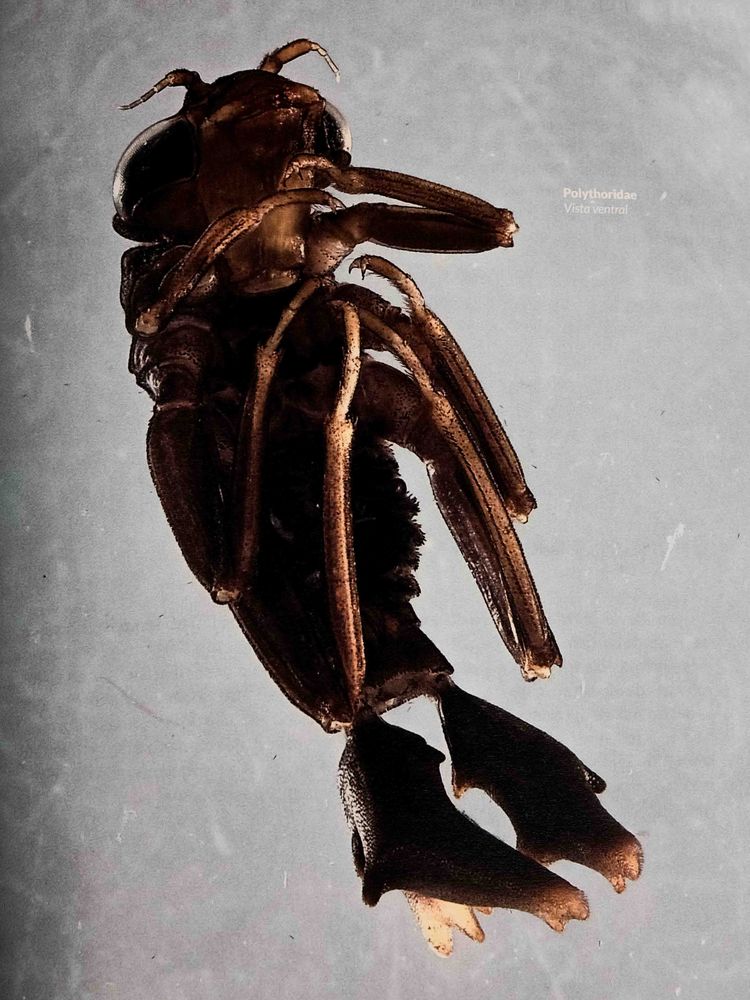
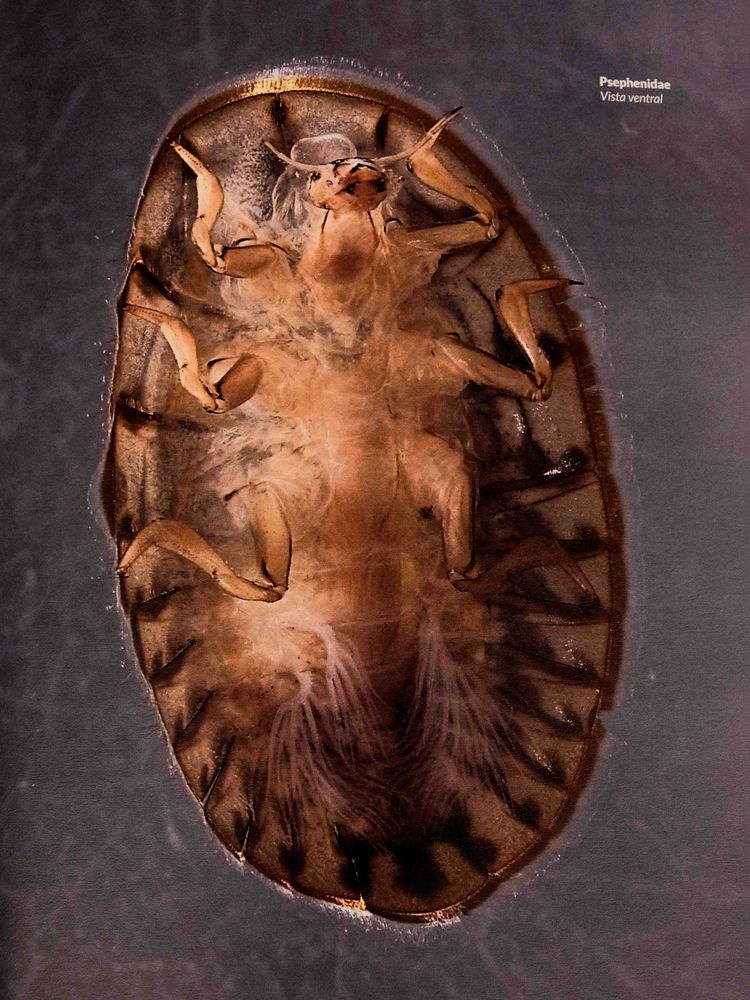
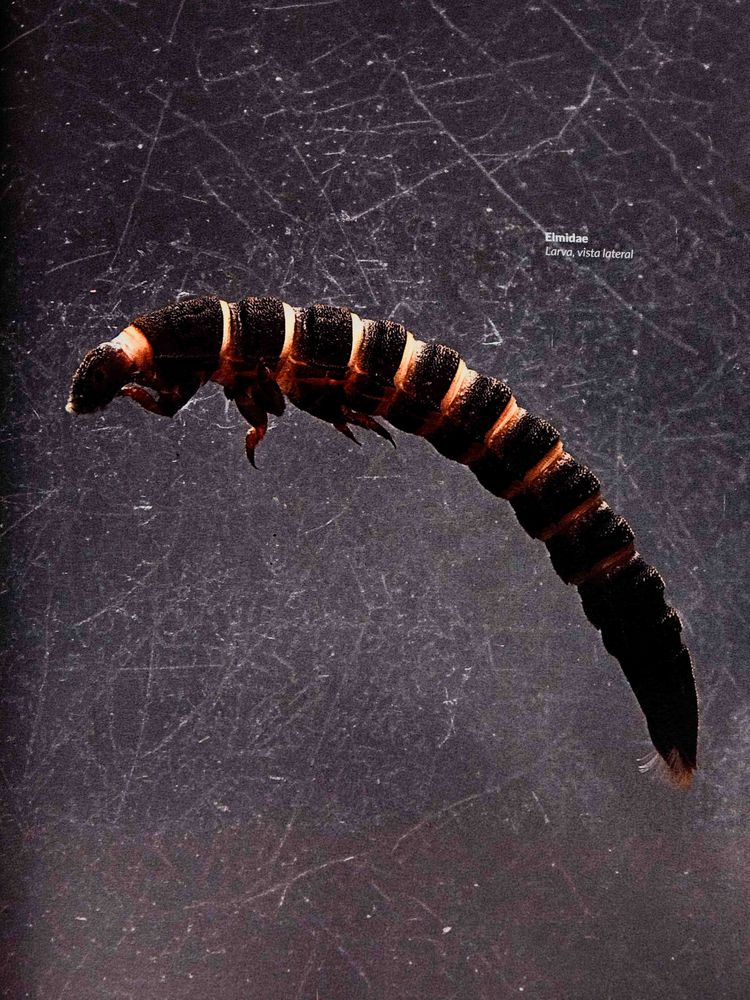
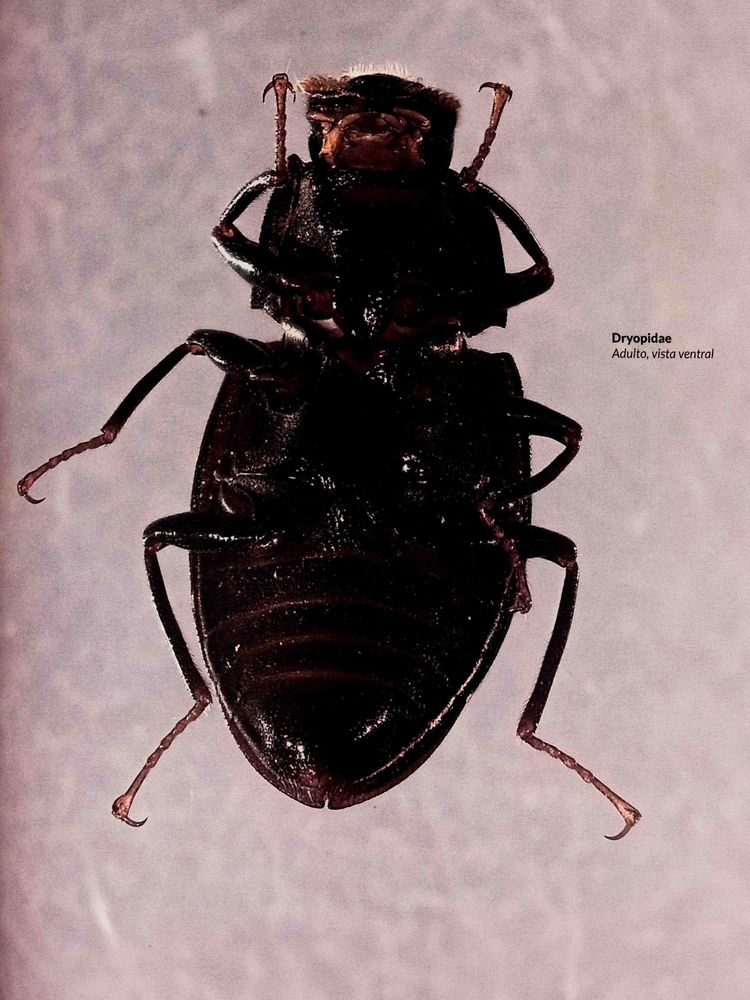
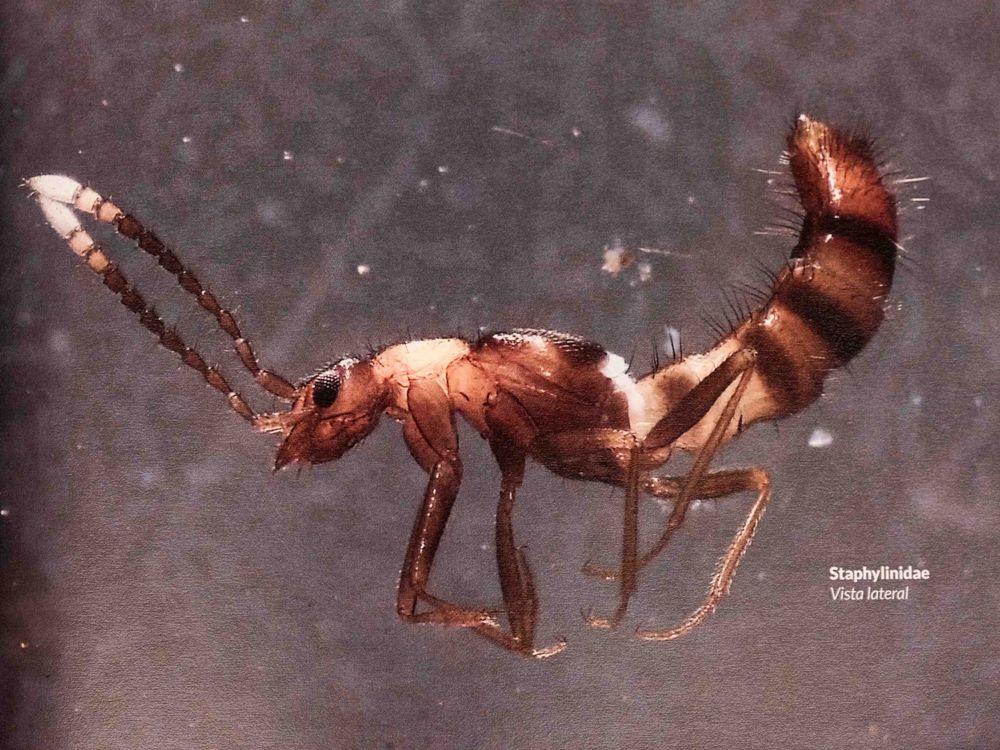
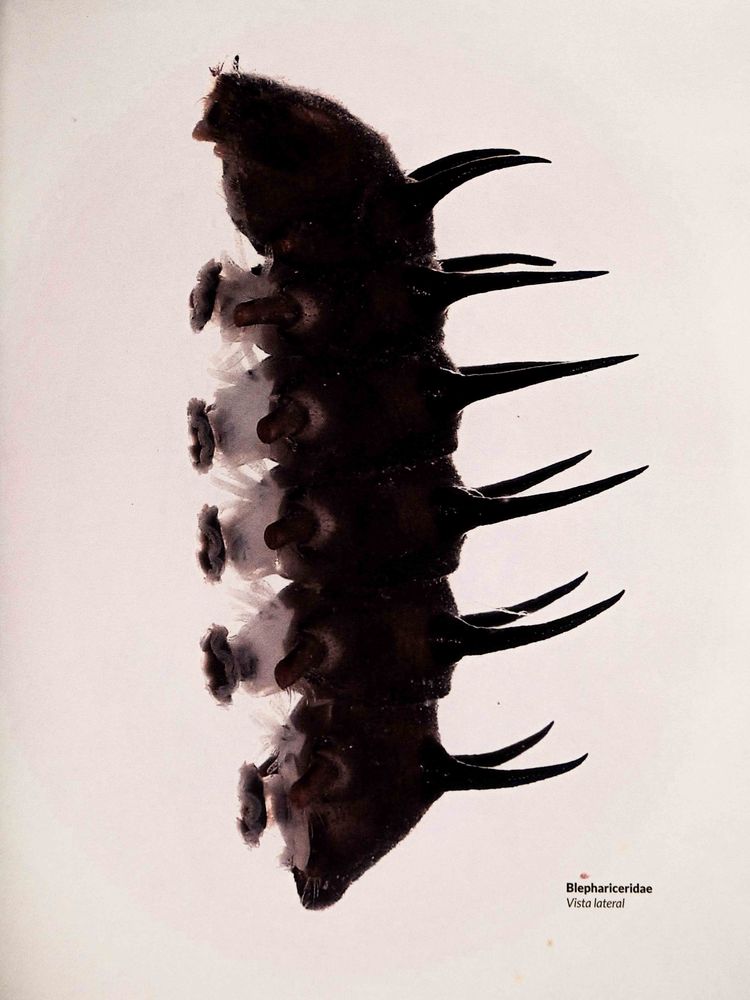
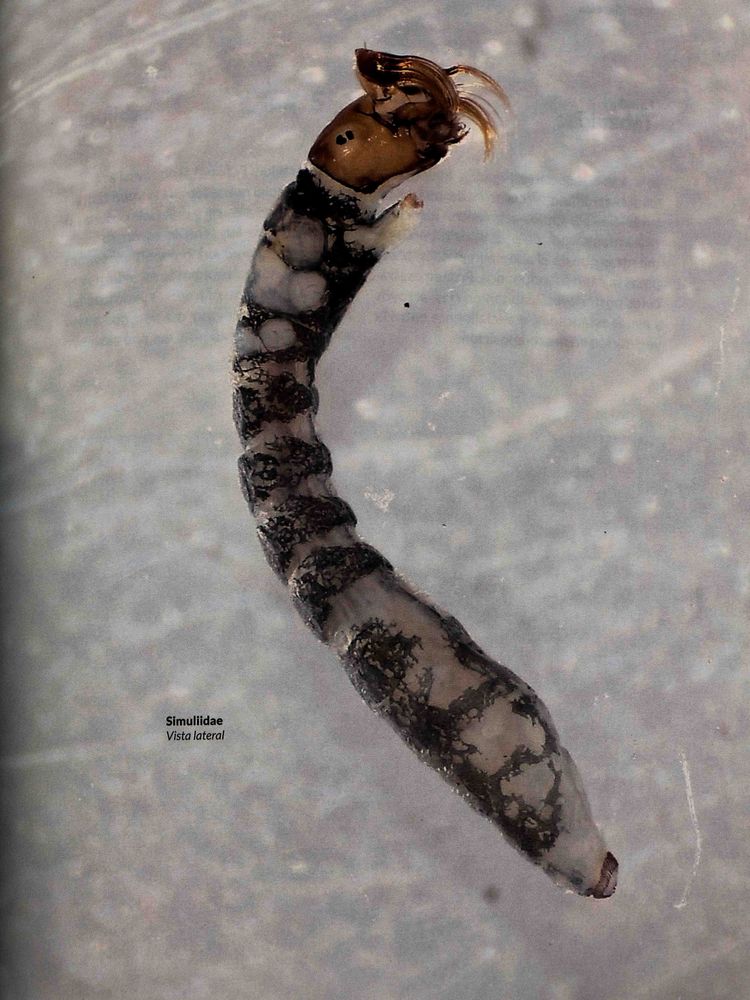
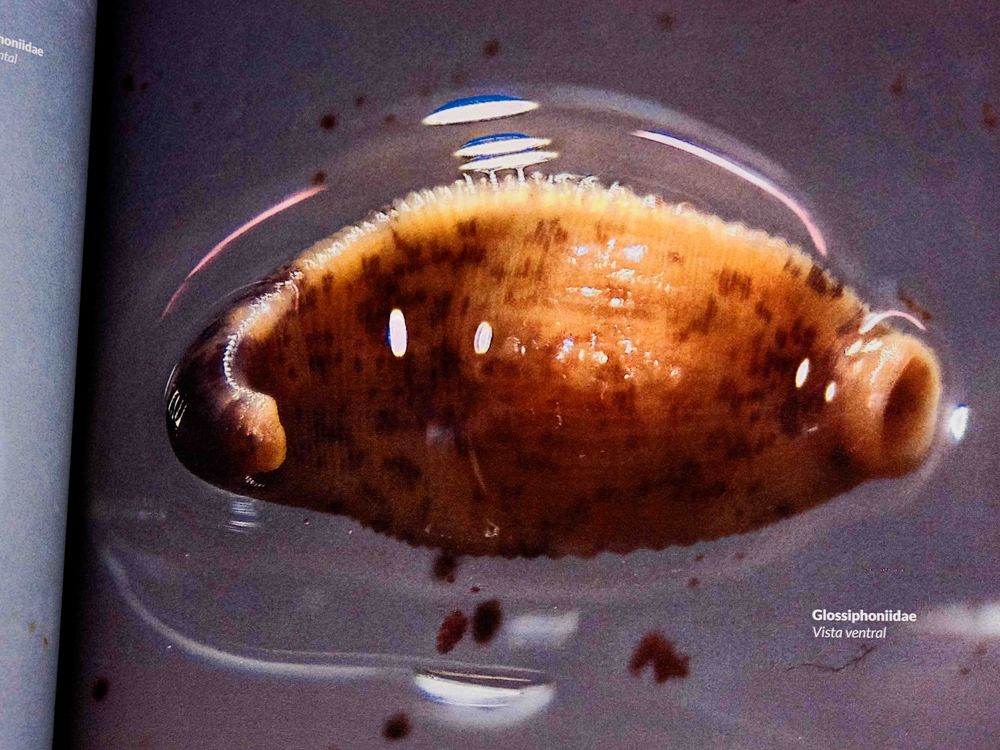
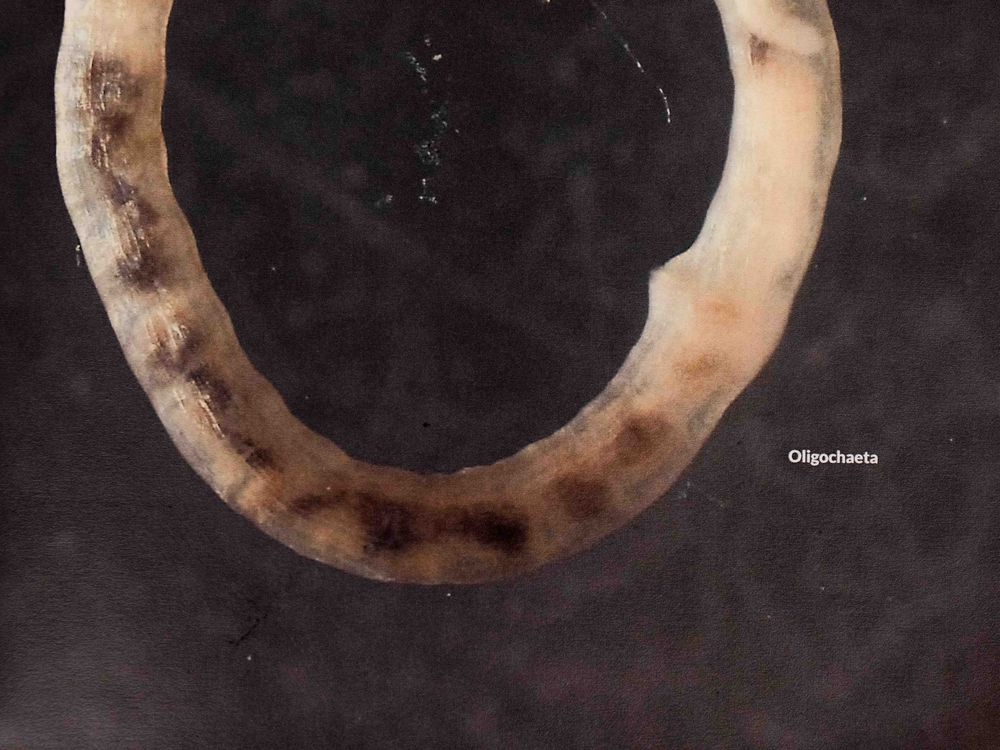
Photographs: Guía de macroinvertebrados acuáticos de las microcuencas de los ríos Aakas y Yunkumas – Cordillera del Cóndor. The full guide describes many more families, their anatomy and their role as indicators of water quality. View the publication
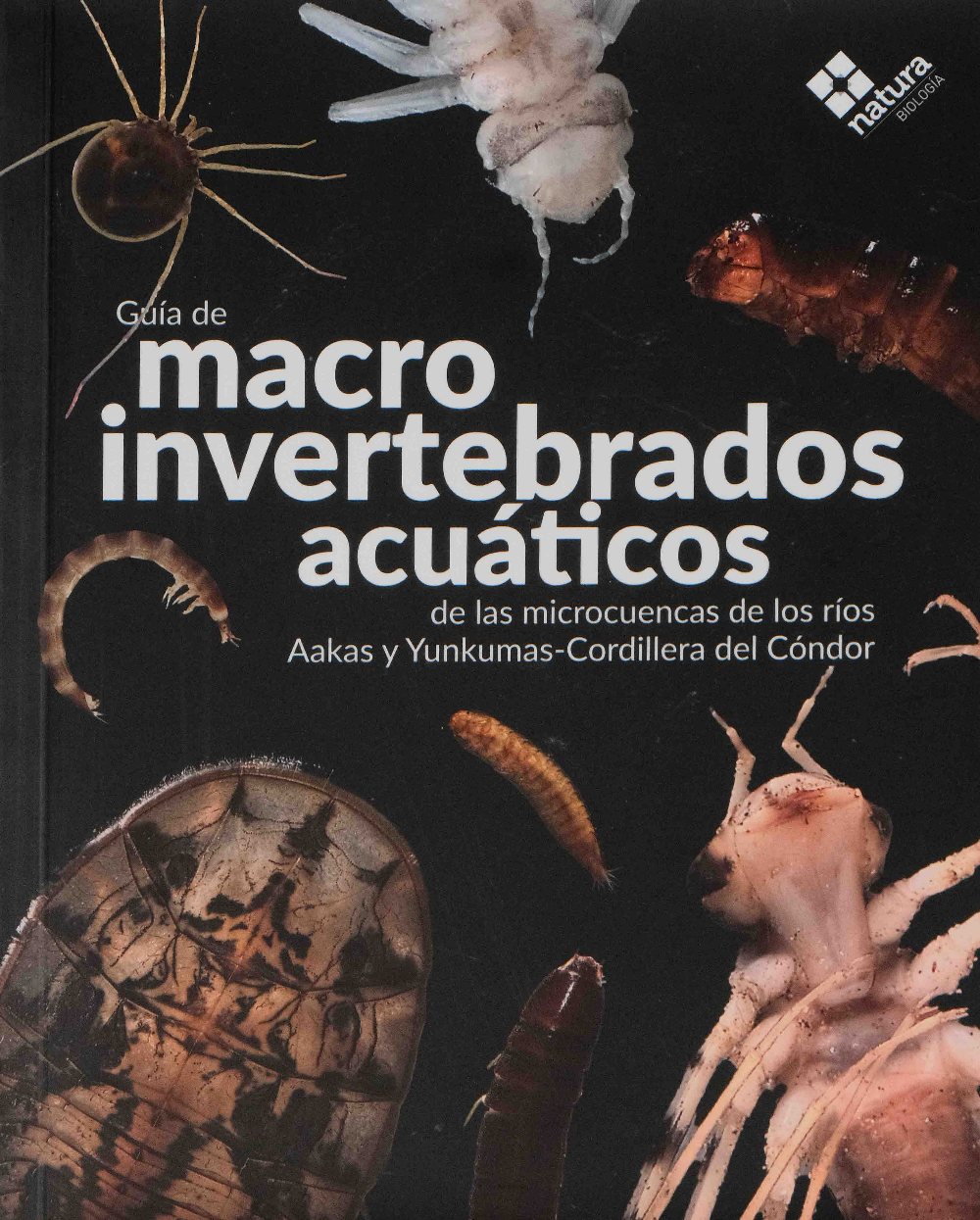
Our book
Guide to the aquatic macroinvertebrates of the Aakas and Yunkumas river micro-basins – Cordillera del Cóndor
The Shuar community of Maikiuants, settled in the Cordillera del Cóndor, has a large territory that is home to a great biodiversity of species and ecosystems, now threatened by extractive activities. This area is mainly watered by the Aakas and Yunkumas rivers, whose aquatic ecosystems show a wide variety of fauna, among which aquatic macroinvertebrates stand out. This guide presents the families of this group of fauna; their presence shows that the waters of these two rivers are in excellent condition. This work is the result of studies carried out jointly by the Universidad del Azuay, the Maikiuants community, the Pueblo Shuar Arutam and the Fundación Ecoforensic, whose aim is to explore and show the biological and cultural richness of this territory.


Send us your questions. We answer every message personally.